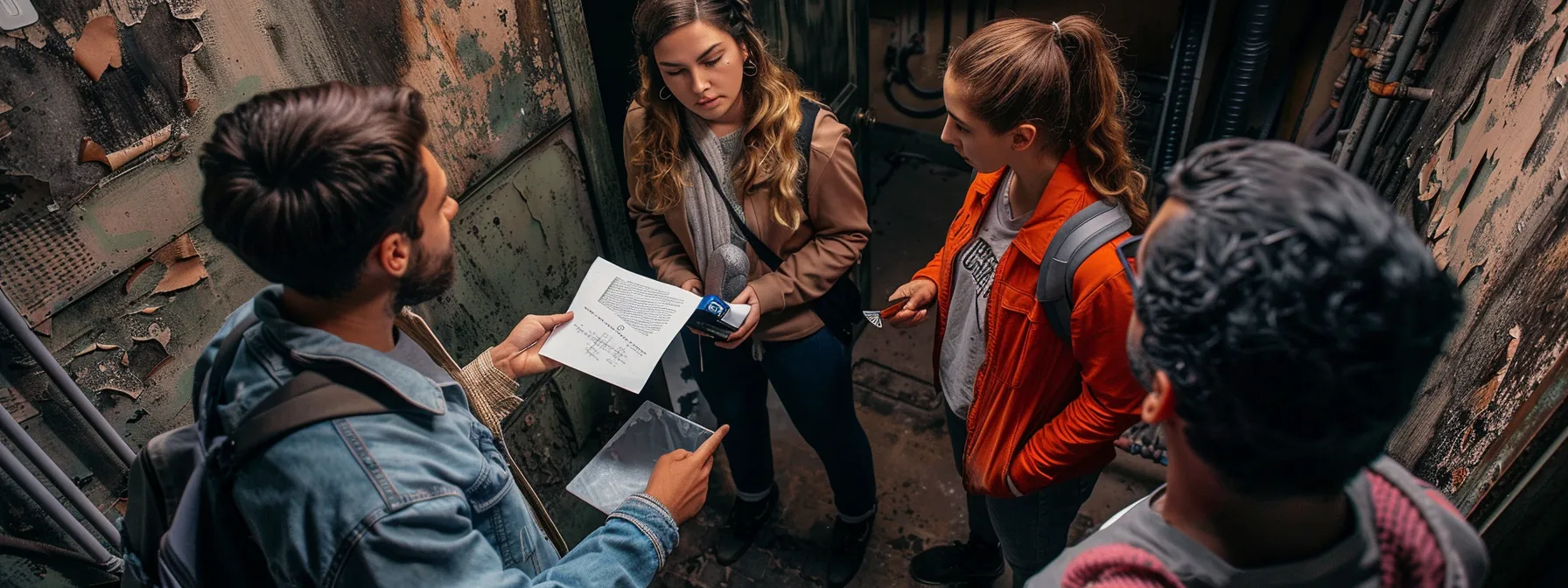
Beginner's Guide: Mastering Escape Rooms With Ease
Are you new to escape rooms and feeling overwhelmed by the challenges they present? This beginner’s guide aims to simplify the experience and help you master escape rooms with ease. The guide will cover the fundamental concepts to understand, essential preparations for your first adventure, and effective strategies to boost your chances of success. By engaging with this content, you will gain the confidence and skills needed to fully enjoy your escape room experience while tackling common challenges that beginners face.
What You Can Expect From This Beginner's Guide to Escape Rooms
This beginner’s guide to escape rooms offers essential tips for success. Readers will learn how to apply critical thinking skills to solve puzzles effectively and navigate the challenges within each room.
Communication plays a vital role in team dynamics during escape room experiences. Participants will discover strategies to enhance group collaboration, fostering a sense of pride in their collective achievements.
Overall, this guide equips newcomers with insights to approach escape rooms with confidence. By focusing on key aspects such as teamwork and problem-solving, players can maximize their enjoyment and improve their chances of success.
Defining Escape Rooms and Their Unique Appeal
Escape rooms are immersive experiences where participants solve puzzles and complete tasks within a set time limit. These adventure scenarios often involve themes such as escaping from a virtual prison, where teamwork and skill are essential for success. They challenge players’ minds, requiring collaboration among team members to unlock clues and progress through the experience.
The unique appeal of escape rooms lies in their ability to blend entertainment with critical thinking. Participants engage in various activities that test their intellectual abilities while fostering camaraderie. This combination not only enhances problem-solving skills but also strengthens group dynamics, making each adventure memorable and rewarding.
Fundamental Concepts for Beginners to Understand
The escape room experience revolves around several key elements that beginners should grasp to enhance their enjoyment and success. Understanding the experience overview sets the stage, while key components like puzzles and a combination lock are essential for navigating challenges. Time constraints add urgency, and the gamemaster‘s role is crucial for guidance and debriefing. Each aspect plays a role in sharpening attention and fostering teamwork.
The Experience Overview
The experience overview of an escape room provides essential knowledge for participants to thrive in this interactive environment. Players face a series of puzzles that vary in complexity, often requiring strategic problem solving and teamwork to progress. Understanding the layout, objectives, and time limits allows individuals to approach each challenge with confidence, ultimately enhancing their overall enjoyment and success in the escape room adventure.
Key Components of the Room
The key components of an escape room include various types of puzzles, clues, and physical elements designed to engage participants. Each room typically incorporates a unique theme that influences the challenges presented, requiring players to utilize their observation skills and creativity. Understanding these elements allows beginners to approach the experience strategically, ensuring they can work together effectively to unlock each mystery and successfully complete the room.
Time Constraints and Their Importance
Time constraints in escape rooms create a sense of urgency, motivating teams to think and act quickly. Players typically have one hour to solve all the puzzles, which encourages effective communication and strategic planning. By recognizing the importance of timing, participants can prioritize tasks, allocate roles, and maintain focus, ultimately leading to a more cohesive and enjoyable experience.
The Role of the Game Master
The game master plays a pivotal role in shaping the escape room experience for participants. They offer guidance at the beginning of the game, explaining the rules and objectives, while also providing hints when teams encounter challenging puzzles. This supportive presence not only enhances player engagement but also ensures that everyone has an enjoyable and rewarding adventure throughout the session.
Essential Preparations for Your First Escape Room Adventure
Choosing the right group of players is essential for a successful escape room adventure. Selecting an ideal escape room that caters to beginners ensures a more enjoyable experience. Setting realistic goals can enhance focus and collaboration, while wearing appropriate attire allows for comfort and movement. Finally, being mentally prepared for problem-solving activities will maximize enjoyment and success. Each of these aspects plays a significant role in creating an engaging and memorable experience.
Choose the Right Group of Players
Choosing the right group of players is crucial for a successful escape room experience. Participants should ideally include individuals who communicate well and enjoy collaborative problem-solving, as these qualities enhance the overall dynamic of the team. For beginners, selecting friends or family members who share similar interests and energy levels can contribute to a more enjoyable and engaging adventure, ensuring everyone works together effectively to tackle the challenges ahead.
Selecting the Ideal Escape Room for Beginners
Selecting the ideal escape room for beginners involves considering various factors that can significantly enhance the experience. Opting for rooms with straightforward puzzles and a clear narrative can help newcomers understand the mechanics without feeling overwhelmed. Additionally, researching venues that specialize in accommodating beginners ensures that teams receive appropriate support and guidance, making their first adventure enjoyable and less stressful.
Set Yourself Up for Success With Realistic Goals
Setting realistic goals is fundamental for a successful escape room experience, particularly for beginners. By defining achievable targets, teams can maintain focus and work collaboratively without feeling overwhelmed. For instance, aiming to complete a specific number of puzzles rather than insisting on escaping within the hour can foster a more enjoyable atmosphere, allowing players to appreciate the experience while developing their problem-solving skills.
Appropriate Attire for Comfort and Movement
Wearing appropriate attire is key to ensuring comfort and freedom of movement during an escape room adventure. Participants are encouraged to choose clothing that allows for easy mobility, as they may need to bend, crouch, or reach to solve various puzzles and challenges. Comfortable shoes are particularly important, as they provide support during the active engagement required throughout the experience, helping players focus on the tasks at hand without any distractions from discomfort.
Mental Readiness for Problem-Solving
Mental readiness is a crucial aspect of preparing for an escape room adventure. Participants should approach the experience with a positive mindset, ready to tackle challenges and think critically about the puzzles presented. Practicing mindfulness techniques, such as deep breathing or visualization, can help calm nerves and enhance focus, allowing players to engage fully with the team’s problem-solving activities. This preparedness fosters an environment of collaboration, helping participants enjoy the journey while successfully navigating the intricacies of the escape room.
Escape Room Etiquette and Guidelines for Newcomers
Understanding safety protocols is essential for a successful escape room experience, ensuring that all participants feel secure. Key do’s and don’ts while playing help shape a positive environment, promoting teamwork and enhancing enjoyment. These guidelines will facilitate a smooth adventure, enabling newcomers to maximize their engagement and navigate challenges effectively.
Understanding Safety Protocols
Understanding safety protocols is vital for a smooth experience in an escape room. Newcomers should pay attention to the rules provided by the game master before entering, as these guidelines ensure participants remain secure while navigating the challenges. Additionally, familiarizing oneself with emergency exits and procedures adds an extra layer of confidence, allowing players to focus on collaboration and problem-solving without unnecessary stress.
Key Do’s and Don’ts While Playing
Participants in an escape room should embrace teamwork and communicate effectively to enhance their experience. Teams must share ideas and findings, allowing everyone to contribute to solving puzzles and completing tasks. Conversely, players should avoid excessive frustration and keep a positive attitude, as negativity can hinder group dynamics and diminish overall enjoyment, making the adventure less effective and engaging.
Common Types of Puzzles Found in Escape Rooms
Escape rooms feature a variety of puzzles designed to challenge participants and enhance their problem-solving skills. This section covers lock-based challenges that require combinations, different types of riddles with their solutions, hidden object puzzles, word games that reveal clues, and logical sequences that involve patterns. Understanding these puzzles equips players with the necessary insights to navigate their escape room experience effectively.
Introduction to Lock-Based Challenges
Lock-based challenges are a staple in escape rooms, often demanding players to decipher combinations and unlock mechanisms to progress. These puzzles typically involve clues hidden within the room, which participants must solve to find the correct sequence for opening locks. Understanding how to approach these challenges can significantly enhance the escape room experience, as teamwork and communication are critical in gathering information and making educated guesses effectively.
Types of Riddles and Their Solutions
Riddles in escape rooms often challenge players to think critically and make connections between clues. Common types include wordplay riddles, where the solution hinges on the clever use of language, and logic puzzles that require participants to deduce answers from given information. For instance, a riddle might ask players to think of something that can travel around the world while staying in a corner, with the answer being a postage stamp, prompting them to utilize both their reasoning skills and creativity to succeed.
Hidden Object Puzzles
Hidden object puzzles are a common element in escape rooms, requiring players to locate specific items cleverly concealed within the room‘s décor. These challenges test observation skills and attention to detail, as participants must carefully search their surroundings to identify all necessary objects that lead to clues or further progress. Beginners can enhance their chances of success by encouraging collaboration, sharing discoveries, and maintaining a systematic approach to searching, ensuring they do not overlook any vital elements within the immersive environment.
The Discovery of Clues Through Word Games
Word games in escape rooms present a unique opportunity for participants to uncover clues through clever language use and critical thinking. These puzzles often require players to connect words, decipher codes, or solve riddles to reveal important hints essential for progression. Engaging with these types of challenges not only enhances cognitive skills but also encourages teammates to collaborate effectively, ultimately leading to a more enjoyable and successful escape room experience.
Patterns and Logical Sequences
Patterns and logical sequences are critical components in escape room puzzles that challenge participants to recognize relationships and deduce solutions. Often, players encounter sequences of symbols, numbers, or colors that need to be arranged or interpreted to unlock the next clue. For example, a room might require players to identify a sequence of numbers based on a pattern observed in nearby objects, enhancing their analytical skills while encouraging collaboration among team members to spot the solution together.
Strategies for Success in Escape Rooms for Beginners
Effective collaboration with teammates is essential for success in escape rooms. Clearly defining roles aids efficiency, ensuring everyone knows their responsibilities. Communication among players enhances problem-solving, while staying focused on tasks prevents distractions. Prioritizing tasks allows for better time management, and knowing when to ask for hints can offer valuable guidance. Each of these strategies plays a vital role in mastering escape rooms.
Collaborate Effectively With Your Team
Effective collaboration among team members plays a critical role in achieving success in escape rooms. By clearly defining individual roles based on each player’s strengths, teams can operate more efficiently, ensuring that everyone contributes to solving puzzles and unlocking clues. Open communication is essential; sharing thoughts and findings fosters a sense of unity and enhances problem-solving capabilities, ultimately leading to a more enjoyable and productive escape room experience.
Clearly Define Roles for Efficiency
Clearly defining roles within the team enhances efficiency during an escape room adventure. By assigning specific responsibilities based on each member’s strengths, such as a clue finder, puzzle solver, or communicator, teams can streamline their efforts and progress more effectively. This approach fosters a sense of accountability among participants, allowing them to focus on their tasks while supporting each other, ultimately leading to a smoother and more enjoyable experience for everyone involved.
Importance of Communication Among Players
Effective communication among players plays a vital role in the success of escape room experiences. When team members share ideas, discoveries, and theories about puzzles, they increase their chances of solving challenges promptly. For instance, if one player finds a clue, articulating its significance can help others see connections that may not be immediately apparent, ultimately facilitating a cohesive effort toward escape.
Tips for Staying Focused on the Task
Staying focused on the task during an escape room adventure is essential for success. To maintain concentration, teams should create a distraction-free environment by limiting side conversations and staying on topic. For example, if a group member discovers a clue, it’s beneficial for them to share it immediately, allowing the team to shift their collective attention toward solving that particular puzzle without veering off course. This approach not only enhances productivity but also fosters a sense of unity among players as they collaborate to achieve their goal.
Prioritize Tasks for Effective Time Management
Prioritizing tasks effectively is essential for successful navigation in escape rooms, particularly for beginners. Teams should evaluate the puzzles available and identify which ones may yield quicker results based on their complexity and prerequisite clues. By focusing on simpler tasks first, participants can build momentum, fostering a sense of progress that keeps motivation high throughout the experience.
Knowing When to Ask for Hints
Knowing when to ask for hints can be crucial in an escape room setting. Teams should consider seeking guidance if they find themselves stuck on a puzzle for an extended period, as it can prevent frustration and maintain overall engagement. For instance, if a particular clue seems elusively complex, requesting a hint can provide renewed focus and direction, ultimately enhancing the team’s chances of success while ensuring a fun experience for all participants.
Reflecting on Your Experience After the Escape Room
Reflecting on the escape room experience allows participants to evaluate what strategies were effective and which ones fell short. Sharing stories with teammates and gathering insights can foster a deeper understanding of group dynamics and problem-solving approaches. Additionally, using feedback from this debrief can improve future visits, ensuring participants are better prepared for new challenges in subsequent adventures.
Discussing What Worked and What Didn’t
After completing an escape room, discussing what worked and what didn’t provides valuable insights for future challenges. Teams can assess effective strategies, such as communication techniques or puzzle-solving methods that yielded positive results. This reflection also highlights areas for improvement, enabling participants to refine their collaborative efforts and increase their chances of success in subsequent adventures.
Sharing Stories and Insights With Others
Sharing stories and insights with others after an escape room experience adds significant value to the adventure. Participants recounting their challenges and victories can foster camaraderie and provide motivation for future outings. Discussing differing strategies used during puzzles allows teams to refine their approaches, making each subsequent escape room visit more enjoyable and successful.
Using Feedback for Future Escape Room Visits
Using feedback gathered from previous escape room visits greatly enhances participants’ future experiences. Analyzing what strategies proved effective or identifying areas for growth enables players to refine their teamwork and problem-solving skills. For example, discussing specific puzzles can help teams develop better communication techniques, ensuring they are more prepared and confident in future challenges.
Answering Common Questions for Beginner Escape Room Enthusiasts
New players often wonder about the challenges and dynamics of escape rooms. This section addresses key topics, including how difficult these rooms can be for beginners and which types provide the best experience. It also outlines essential first steps for entering a room, effective strategies for quick puzzle-solving, and mental preparation methods. Additionally, readers will learn about difficulty levels and whether high intelligence is crucial for success.
How Challenging Are Escape Rooms for New Players?
Escape rooms can present varying levels of challenge for new players, depending on the complexity of the room and the types of puzzles included. Many establishments cater specifically to beginners by offering rooms with straightforward clues and manageable tasks to help ease newcomers into the experience. With teamwork, effective communication, and a willingness to engage, participants can overcome initial hurdles and enjoy the adventure without feeling overwhelmed.
What Type of Escape Rooms Are Best for Beginners?
For beginners, escape rooms that focus on straightforward puzzles and a clear narrative are the best choices. Rooms designed with simpler challenges allow new players to engage without feeling overwhelmed, making it easier to grasp the mechanics of the game. Establishments that specialize in beginner-friendly experiences often provide necessary guidance, ensuring that new participants can learn and enjoy their adventure while building confidence.
What First Steps Should You Take Inside an Escape Room?
Upon entering an escape room, the first step for participants is to familiarize themselves with the space. This includes a quick survey of the room to identify any visible clues or locks that might provide insight into the challenges ahead. Players should also actively listen to the game master’s instructions, as understanding the room‘s theme and rules is essential for a successful experience.
Effective Strategies for Solving Puzzles Quickly
To solve puzzles quickly in escape rooms, teams should prioritize effective communication and collaboration. Sharing clues and thoughts immediately among members can spark insights, enabling quicker connections between various elements. Additionally, a systematic approach to examining each puzzle by breaking it down into smaller parts often reveals hidden solutions, allowing teams to maintain momentum and enthusiasm throughout the experience.
How Can You Mentally Prepare for Your Escape Room Experience?
To mentally prepare for an escape room experience, participants should approach the challenge with a positive mindset and readiness to collaborate. Engaging in brief mindfulness exercises, such as deep breathing, can help alleviate anxiety and enhance focus before entering the room. This preparation not only promotes a sense of calm but also equips players to think critically and work together effectively, which is essential for successfully navigating puzzles and challenges during the adventure.
Understanding Difficulty Levels in Escape Rooms
Understanding the difficulty levels in escape rooms is essential for beginners to select the right challenges that match their skills. Typically, escape rooms are categorized into easy, medium, and difficult levels, with easier rooms featuring straightforward puzzles that accommodate newcomers. Beginners are encouraged to choose rooms labeled as easy or beginner-friendly, as these typically include clearly defined clues and manageable challenges designed to foster confidence while enhancing their problem-solving skills.
Is High Intelligence Necessary for Success in Escape Rooms?
High intelligence is not a requirement for success in escape rooms, as many challenges rely on teamwork, communication, and creativity rather than sheer intellect. Individuals can excel by leveraging their strengths, whether in observation, logical reasoning, or collaboration. By working together and sharing insights, even those who may not consider themselves highly intelligent can navigate puzzles effectively and enjoy the process of uncovering clues as a team.
Recap of Key Takeaways for Mastering Escape Rooms
Successful participation in escape rooms relies on effective communication and teamwork. Players should prioritize sharing insights and clues promptly, as collaboration enhances problem-solving and efficiency during the experience.
Familiarity with the escape room‘s layout and the types of challenges presented can significantly impact overall performance. Understanding key components, such as puzzle types and time constraints, equips players with the knowledge needed to navigate effectively and enjoyably.
Participants should approach the adventure with a positive mindset and a willingness to engage fully with their teammates. This mental readiness fosters a collaborative environment where creativity and strategy thrive, leading to a rewarding escape room experience.
Encouragement to Put These Strategies Into Practice
Aspiring escape room enthusiasts can deepen their understanding by exploring further reading that elaborates on effective strategies for success. Engaging in discussions and sharing experiences through comments offers valuable feedback, allowing individuals to refine their approaches. Each of these opportunities enhances knowledge and skills, supporting a collaborative atmosphere that fosters growth and enjoyment in future escape room adventures.
Further Reading for Aspiring Escape Room Enthusiasts
For those looking to deepen their knowledge of escape rooms, exploring additional books and online resources can provide valuable insights. Reading about different puzzle types, strategies for effective teamwork, and real-life escape room experiences can enhance understanding and preparation for future adventures. Engaging with blogs and forums dedicated to escape room enthusiasts allows individuals to share tips, learn from others’ successes and challenges, and build a community of fellow players who share their passion for solving puzzles together.
Opportunities for Feedback and Comments
Creating opportunities for feedback and comments after an escape room experience allows players to reflect on their strategies and teamwork. By discussing what worked well and what challenges were faced, participants can gain valuable insights that enhance future adventures. Engaging in open dialogue not only fosters camaraderie among teammates but also cultivates a deeper understanding of effective collaboration techniques, making the next escape room challenge even more rewarding.
Conclusion
The “Beginner’s Guide: Mastering Escape Rooms With Ease” equips newcomers with essential strategies to enhance their experience and success. By prioritizing teamwork, effective communication, and clear roles, players can navigate challenges more efficiently. Understanding the variety of puzzles and the importance of mental readiness further empowers participants to approach each adventure with confidence. This guide serves as a valuable resource, ensuring that each escape room experience is both enjoyable and rewarding.