Table Of Contents:
Master the Escape Room Experience: Essential Tips for Newcomers
Are you preparing for your first escape room adventure? Many newcomers feel overwhelmed by the challenge of puzzling their way out within a limited time. This guide offers essential tips to ensure an enjoyable experience, such as assembling a strong team and communicating effectively. By addressing common pitfalls and providing strategies to enhance exploration, readers will learn how to maximize their escape room experience. With these insights, newcomers can approach their first escape room with confidence and leave with unforgettable memories.
Key Takeaways
- Choosing a diverse team enhances problem-solving through varied skills and perspectives
- Effective communication is vital for sharing clues and ideas during the escape room challenge
- Organization of clues improves efficiency and helps avoid confusion during problem-solving
- Arriving early allows players to assess the layout and strategize before the game begins
- Requesting hints from the game host can maintain momentum and enhance the overall experience
Assemble Your Team
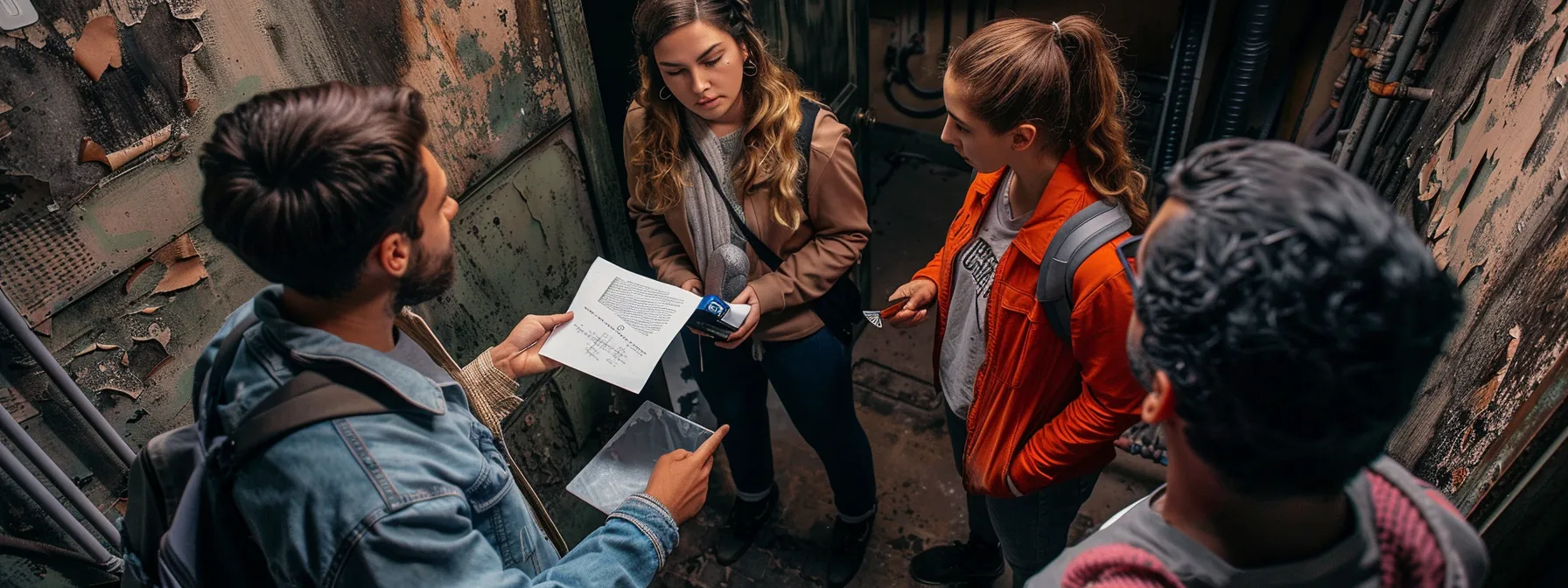
Choosing the right team is essential for a successful escape room experience. Participants should have a mix of skills, including strong communication and logical reasoning, to tackle puzzles like combination locks effectively. Maintaining an optimal team size enhances teamwork and allows everyone to contribute. A knowledgeable gamemaster can provide crucial insights and guidance, setting the stage for a memorable adventure.
Choose Your Team Wisely
When it comes to mastering escape rooms, selecting your team wisely is crucial. A group that combines different strengths can tackle various challenges more effectively. For instance, having team members who excel in logical reasoning or have a keen detective mind can provide valuable insights when deciphering puzzles or unlocking clues hidden within the room.
Attention to teamwork dynamics is key to a successful experience. It is beneficial to bring along individuals who communicate well and can guide the group during intense moments. Keeping a balanced team size also ensures that everyone has a chance to contribute, enhancing the overall fun and engagement. Beginner players should consider these escape room tips for beginners to create a supportive environment that maximizes their problem-solving potential.
Ensure an Optimal Team Size
Determining the right team size is imperative for a successful escape room experience. A smaller group, typically between four to six participants, ensures more effective communication and greater involvement from each individual. This optimal size allows for diverse skills and attributes, such as critical thinking and problem-solving, to shine, making it easier to assemble the jigsaw puzzle of clues and tasks that each escape room presents.
For instance, while tackling challenges akin to finding a herring among various intricate puzzles, a balanced team size can bolster brainstorming sessions and idea exchange. Those less experienced can learn from more seasoned players, creating a supportive atmosphere that encourages engagement. This balanced approach ultimately enhances the team’s ability to solve problems swiftly and effectively, transforming the entire experience into a memorable adventure.
| Key Elements | Description |
|---|---|
| Optimal Team Size | 4 to 6 participants ensures effective communication. |
| Diverse Skill Set | Includes critical thinking and problem-solving abilities. |
| Engagement | Encourages contributions from all members. |
| Learning Atmosphere | Less experienced players benefit from seasoned teammates. |
Communicate Effectively
Effective communication plays a vital role in the escape room experience. Team members should share their discoveries loudly to ensure everyone stays informed. Collaboration fosters idea exchange, while respecting diverse perspectives enhances problem-solving capabilities. Together, these elements contribute to a cohesive strategy that increases the chances of success in unraveling complex puzzles and clues.
Share Your Discoveries Loudly
Sharing discoveries loudly during an escape room challenge is critical for team success. When players communicate their findings audibly, it keeps everyone informed and enhances collaboration. For example, if a participant uncovers a clue, loudly announcing its location can guide teammates to piece together the overarching puzzle more effectively.
Moreover, expressing findings openly fosters a dynamic exchange of ideas, which can be pivotal in problem-solving. Teams that engage in robust discussions about the clues they encounter tend to create a more cohesive strategy. This clear communication not only strengthens teamwork but also boosts confidence among members, making the escape room experience more enjoyable and successful:
- Communicate discoveries clearly.
- Encourage teamwork through idea exchange.
- Boost confidence and enjoyment throughout the game.
Encourage Team Collaboration
Encouraging team collaboration is fundamental in an escape room setting, as it enhances problem-solving and creates a more engaging experience. When team members feel comfortable sharing ideas openly, they can build on each other’s strengths and insights. For instance, one player might notice a subtle hint that another might overlook, leading to breakthroughs that propel the team forward.
To foster collaboration, participants should be attentive to both verbal and non-verbal cues from their teammates. Maintaining an atmosphere where suggestions are welcomed can spark creativity in solving puzzles. Practicing active listening ensures that everyone feels valued, increasing the likelihood of finding effective solutions together. This teamwork not only aids in completing the room’s challenges but also makes the experience more enjoyable for everyone involved.
Respect Different Perspectives
Respecting different perspectives within an escape room team significantly enhances problem-solving capabilities. Each participant brings unique experiences and viewpoints, which can lead to innovative solutions when tackling various puzzles. For instance, one team member might approach a challenge from a logical standpoint, while another may rely on creativity, allowing for a broader range of strategies to emerge.
Furthermore, fostering an environment where diverse opinions are valued promotes open dialogue and collaborative thinking. When individuals feel their insights are appreciated, they are more likely to share observations that could be crucial in deciphering clues. This mutual respect ultimately creates a stronger team dynamic, enabling participants to navigate the escape room more effectively and enjoyably.
Organize Your Efforts
To maximize success in an escape room, organization is key. Keeping track of found clues ensures that vital information is not overlooked. Creating a logical system for items facilitates smoother puzzle-solving, while designating areas for used and unused items helps maintain clarity during the game. These strategies will enhance the team’s efficiency and overall experience, making it easier to navigate the challenges ahead.
Keep Track of Found Clues
Keeping track of found clues is essential for navigating an escape room successfully. When participants collect various hints and items, they create a mental map of the challenges ahead. This organized approach allows teams to avoid revisiting already-solved puzzles, ensuring time and energy are focused on new challenges, which ultimately increases their chances of escaping.
To enhance efficiency, many teams use designated areas for organizing clues and items. By setting aside sections for both used and unused clues, everyone on the team can quickly reference information when needed. This method reduces confusion and allows players to focus on solving puzzles rather than searching for forgotten clues, leading to a more enjoyable escape room experience overall.
Create a Logical System for Items
Creating a logical system for organizing items in an escape room is vital for maintaining clarity and efficiency. By designating specific areas for both used and unused clues, teams can streamline their problem-solving process. For instance, setting aside a corner for resolved items allows everyone to focus on current puzzles without the distraction of previously addressed hints, ultimately enhancing the overall experience.
A practical approach to organizing clues involves categorizing items based on their types or associated puzzles. This method ensures that team members can easily locate necessary clues when needed, saving valuable time during critical moments. By implementing an effective organizational strategy, players can foster better communication and collaboration, which are essential for mastering the challenges of an escape room.
Designate Areas for Used/Unused Items
Designating separate areas for used and unused items in an escape room facilitates effective organization and keeps the team focused. By maintaining a specific location for items already addressed, participants can prevent themselves from wasting time re-evaluating clues they have already solved. This strategy promotes clarity and helps ensure that attention remains on current challenges, significantly enhancing overall efficiency during gameplay.
To implement this tactic effectively, teams may consider using visible markers or containers to distinguish between used items and those yet to be solved. For example, placing all used clues in one box and keeping unused clues in a designated area not only streamlines problem-solving but also supports better teamwork. Clear organization allows team members to quickly access needed hints, thereby elevating their collaborative efforts and enjoyment of the escape room experience:
- Establish designated areas for used and unused clues.
- Use markers or containers for easy identification.
- Streamline problem-solving and enhance teamwork.
Thoroughly Explore the Room
To maximize success in an escape room, participants should thoroughly explore the environment. Dividing tasks allows for efficient searching, ensuring that no area goes unchecked. Team members must examine every corner carefully to uncover hidden clues and items. This strategic approach enhances problem-solving and sets the foundation for a successful escape experience.
Divide Tasks for Efficient Searching
Dividing tasks among team members is a strategic approach that enhances efficiency when searching an escape room. By assigning specific areas or types of clues to each participant, the group can cover more ground quickly. For instance, one player might focus on deciphering codes while another searches for hidden compartments, ensuring that every corner is explored thoroughly and no clue is overlooked.
This collaborative strategy not only maximizes the chances of uncovering vital hints but also minimizes confusion during gameplay. Team members can inform each other of their findings in real-time, allowing for a more coordinated effort. By working together in this manner, participants can maintain a swift pace, keeping the experience engaging and focused while tackling the challenges presented in the escape room.
Examine Every Corner Carefully
When navigating an escape room, examining every corner carefully is essential. Participants should make a point of checking unlikely spots such as behind furniture, under rugs, or inside books. Often, hidden clues and essential items are tucked away in places that might initially seem inconspicuous, and thorough searching can uncover these secrets that lead to progress in the game.
A diligent exploration routine allows teams to gather all available information and avoid missing vital elements. By taking their time to inspect areas thoroughly, players can also enhance their teamwork, sharing discoveries that might contribute to solving multiple puzzles. The more focused and methodical the team is in exploring the room, the greater their chances of achieving a successful escape, creating a rewarding experience for everyone involved.
Collaborate With the Game Host
Following the instructions provided by the game host is essential for a smooth escape room experience. Participants should also feel comfortable requesting hints when needed, as this helps maintain momentum during gameplay. These strategies foster collaboration with the host, leading to a more engaging and rewarding adventure as newcomers navigate through various challenges.
Follow Instructions Given by the Host
Following the instructions provided by the game host is integral to maximizing the escape room experience. These guidelines ensure players understand the rules and objectives, setting the foundation for a successful adventure. For example, if the host emphasizes the importance of communication or the use of specific clues, adhering to this advice can significantly impact how effectively the team collaborates to solve the puzzles.
Moreover, the game host is a valuable resource for those new to escape rooms. They often offer hints and insights that can clarify challenging aspects of the game. Participants should feel comfortable asking for assistance if they encounter difficulties, as this not only helps maintain momentum but also enriches the gameplay experience. Engaging with the host fosters a supportive environment, ultimately making the escape room journey more enjoyable and rewarding for everyone involved.
Don’t Hesitate to Request Hints
In the exciting realm of escape rooms, players should not shy away from requesting hints when they encounter challenging puzzles. Game hosts are there to enhance the experience and provide crucial insights, especially for newcomers. For instance, if a team feels stuck on a particular clue, asking for a hint can unlock new perspectives and reinvigorate the search for solutions, keeping the momentum of the game intact.
Moreover, seeking assistance from the game host demonstrates a proactive approach to problem-solving. Rather than feeling overwhelmed, participants can view hints as tools that aid their progress, transforming challenges into achievable tasks. This practice not only builds confidence but also fosters a collaborative environment among team members, ultimately making the escape room experience more enjoyable and rewarding.
Solve Puzzles With Focus
Prioritizing relevant clues is essential for successful puzzle-solving in escape rooms. Participants should be open to various solutions, as unconventional thinking can unlock hidden paths. Staying calm and thinking creatively allows teams to navigate challenges effectively. Each of these strategies enhances focus, enabling teams to collaborate efficiently and progress through the game toward a triumphant escape.
Prioritize Relevant Clues
Prioritizing relevant clues is fundamental for success in escape rooms. Teams should focus on hints that directly relate to the puzzles at hand, allowing them to streamline their problem-solving efforts. For example, if a clue appears linked to a specific lock or an intricate riddle, emphasizing these over less pertinent details ensures a more efficient approach to escaping.
Additionally, staying flexible in thinking about how clues interconnect can unveil solutions that might initially seem hidden. Through a combination of communication and analysis, team members can determine which hints warrant immediate attention. This approach not only enhances focus but also fosters a collaborative environment, boosting the chances of a successful escape.
Be Open to Various Solutions
Being open to various solutions is vital when faced with challenges in an escape room. Team members should encourage discussions about different approaches to puzzles, as this collaborative mindset can reveal unexpected insights. For instance, if a key clue seems unrelated to a riddle, considering alternative interpretations may uncover the connection needed to advance through the game.
Flexibility in problem-solving allows the team to adapt to new information as they uncover clues. By maintaining an open dialogue, players can share unique perspectives that might lead to creative solutions. Keeping this mindset not only enhances individual participation but also fosters a supportive environment that can transform the escape experience into an exhilarating success.
| Key Concepts | Details |
|---|---|
| Encourage Discussion | Open dialogue can lead to unexpected insights. |
| Flexibility | Adapting to new information maximizes problem-solving abilities. |
| Creative Solutions | Diverse perspectives enhance opportunities for breakthroughs. |
| Supportive Environment | Teamwork fosters collaboration and boosts engagement. |
Stay Calm and Think Creatively
Staying calm is vital when navigating the challenges of an escape room, as anxiety can hinder clarity and performance. Newcomers should remind themselves to breathe deeply and maintain a positive attitude, which fosters better communication and collaboration among team members. Incorporating this calming approach enhances creative problem-solving abilities, enabling teams to effectively tackle puzzles without feeling overwhelmed.
Thinking creatively opens paths that may not be immediately obvious, allowing for unique interpretations of clues. Participants should encourage one another to brainstorm ideas and consider various solutions, which can lead to breakthroughs when faced with tough challenges. By cultivating an environment where innovation is embraced, teams can efficiently uncover the necessary hints to achieve a victorious escape:
- Stay calm to maintain clarity and communication.
- Encourage brainstorming to generate unique solutions.
- Create a supportive atmosphere for teamwork and innovation.
Avoid Common Pitfalls
Handling props with care is critical to ensure both safety and the integrity of the escape room experience. Participants should also avoid using unnecessary force when interacting with puzzles, as this can lead to damage or confusion. By following these tips, newcomers can engage with the challenges effectively, enhancing their overall success and enjoyment in the escape room.
Handle Props With Care
Handling props with care is crucial in an escape room, as damage to items can disrupt the experience for everyone involved. Participants should treat all objects as integral components of the game, avoiding excessive force or reckless behavior that may lead to accidents. For instance, instead of pulling on a lock with force, gently examining it first can help reveal its mechanism without causing harm.
Moreover, being mindful of the surroundings can enhance gameplay significantly. If a clue appears stuck or difficult to move, taking a moment to assess it instead of forcing it can prevent mishaps. Participants are encouraged to communicate openly with team members about any concerns regarding props to ensure a safe and enjoyable environment for all players:
- Always treat props as integral to the experience.
- Avoid using excessive force when interacting with items.
- Communicate concerns about props with team members.
Avoid Unnecessary Force
Avoiding unnecessary force is crucial in the escape room environment, as it safeguards both the integrity of the props and the overall experience for the team. When players approach puzzles and clues, they should proceed with caution, treating objects delicately to prevent damage. For example, instead of yanking on a puzzle piece that appears stuck, taking a moment to assess its mechanism can often provide clarity without risking harm.
Using excessive force can not only damage items but also lead to confusion among team members. When participants encounter resistance, they should communicate with the group to brainstorm alternative strategies. This collaborative approach ensures that everyone remains engaged while preserving the escape room’s elements, fostering a more enjoyable and successful experience for all involved.
Maximize Your Experience
To enhance the escape room journey, newcomers should consider a few key strategies. First, looking for deals and promotions can provide cost-effective options for participating. Being prepared with essential items, such as notebooks or pens, can streamline the experience. Arriving early offers the chance to assess the layout, which is crucial for efficient navigation during the game. Each of these elements contributes to a more enjoyable and successful escape room adventure.
Look for Deals and Promotions
Searching for deals and promotions is a practical way for newcomers to enhance their escape room experience without overspending. Many escape room venues offer special rates for group bookings, early reservations, or discounts on specific days of the week. By taking advantage of these opportunities, participants can enjoy thrilling adventures at a lower cost, allowing them to focus on the excitement of solving puzzles instead of finances.
Additionally, newcomers can follow escape room social media pages or sign up for newsletters to stay informed about upcoming promotions. These channels often share exclusive offers, seasonal discounts, or loyalty programs that can make participation more affordable. By staying proactive in seeking these benefits, players not only maximize their enjoyment but also foster a more cost-effective approach to engaging in thrilling escape room challenges.
Be Prepared With Essential Items
Being prepared with essential items can significantly enhance the escape room experience for newcomers. Participants should consider bringing basic supplies, like notebooks and pens, to jot down discovered clues and important hints. These tools help keep track of critical information and facilitate teamwork, allowing players to communicate ideas and strategies effectively throughout the challenge.
Moreover, having personal items such as a water bottle can be beneficial to maintain focus during gameplay. Staying hydrated can aid in keeping energy levels up, ensuring that the team remains engaged and sharp as they tackle each puzzle. Preparing adequately with these essential items transforms what could be a chaotic experience into a smooth and enjoyable adventure:
| Essential Items | Description |
|---|---|
| Notebooks | For tracking clues and notes. |
| Pens | To jot down important information. |
| Water Bottles | To stay hydrated during the game. |
Arrive Early to Assess the Layout
Arriving early to an escape room provides newcomers with the advantage of assessing the layout and setting the tone for their adventure. Understanding the physical space can help players identify potential hiding spots for clues and plan their approach effectively. This early assessment aids in minimizing confusion later on, as participants can mentally map out their strategies and understand how to divide tasks among teammates.
Moreover, getting acquainted with the room before the timer starts allows participants to relax and settle in, reducing pre-game anxiety. Observing details such as colors, patterns, or symbols can spark ideas that might be critical later in solving puzzles. This proactive approach ultimately enhances teamwork and efficiency, leading to a more successful and enjoyable escape room experience for all involved.
Conclusion
Mastering the escape room experience is crucial for newcomers seeking a memorable adventure filled with challenges and excitement. By assembling the right team, communicating effectively, and organizing efforts, players can maximize their chances of success. Staying calm and open to various solutions fosters a collaborative atmosphere that enhances problem-solving. Embracing these essential tips transforms the escape room into a rewarding journey, ensuring participants leave with lasting memories and a sense of accomplishment.