Escape Room NYC vs Traditional Team-Building Activities: Which Wins?
Choosing between escape rooms and traditional team-building activities can be challenging for organizations looking to enhance teamwork. This article will compare the two options by examining engagement levels, skill development opportunities, and cost considerations. Readers will gain insights into which activity best meets their team’s needs and budget, ultimately helping to create a more cohesive work environment. As team dynamics evolve, finding the right activity is essential for fostering collaboration and communication within a group.
Defining Escape Rooms and Traditional Team-Building Activities

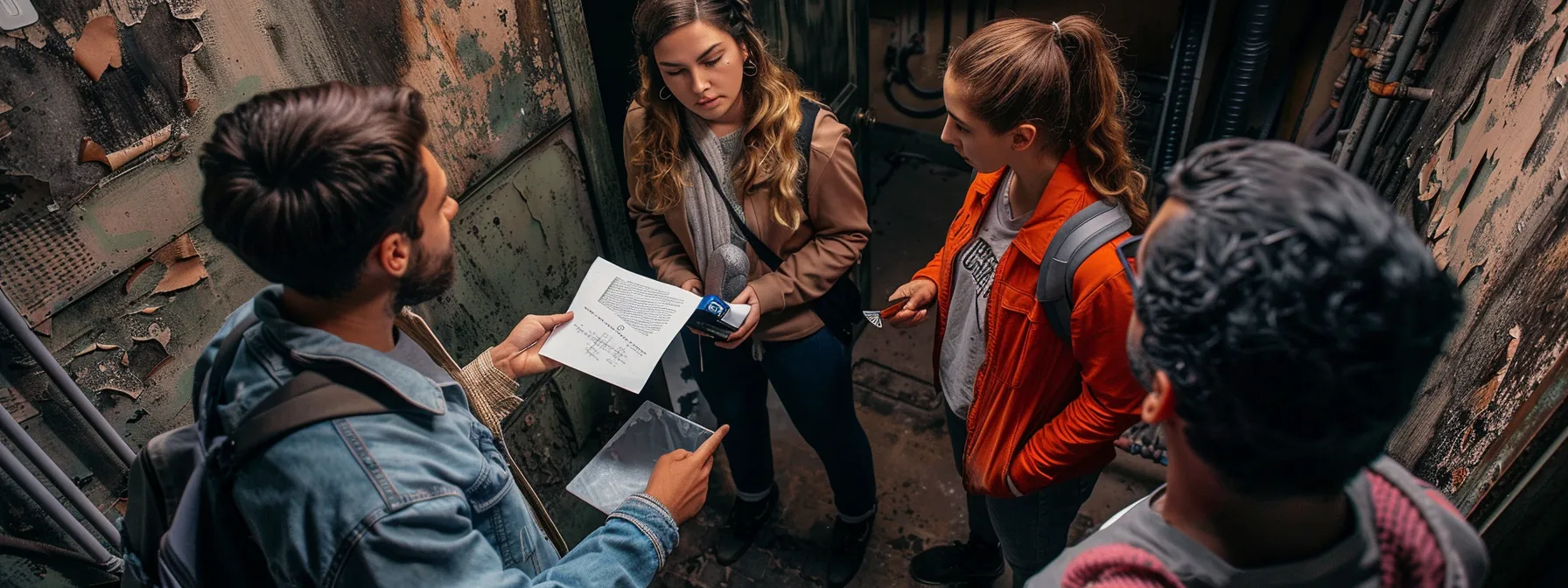
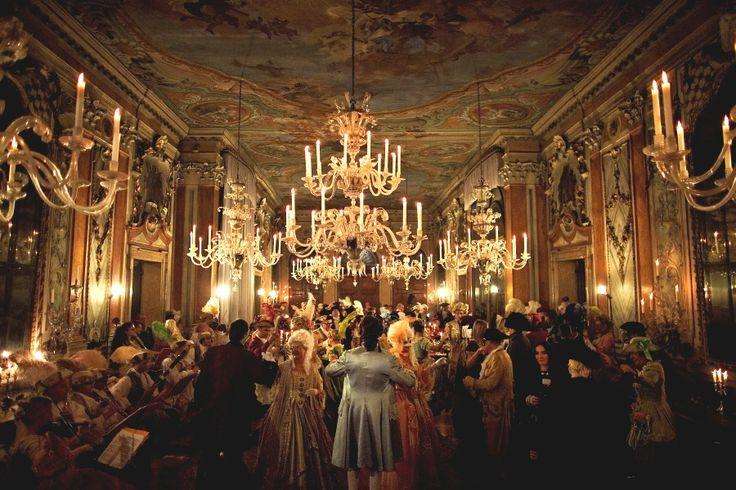
Escape rooms in NYC offer an immersive experience where teams solve puzzles under time pressure, fostering collaboration. Additionally, an escape room nyc can provide a unique challenge for team members. In contrast, traditional team-building activities include outings like happy hour gatherings with craft beer or creative sessions like pottery, emphasizing relationship building. Both aim to enhance teamwork and communication skills, reflecting a growing trend toward engaging and interactive experiences in the city.
Overview of Escape Rooms in NYC
Escape rooms in NYC have rapidly gained popularity, offering a unique blend of entertainment and problem-solving. Participants engage in themed challenges requiring teamwork and critical thinking, all while racing against the clock to escape. These immersive experiences can often be combined with nearby attractions like the Circle Line Sightseeing Cruises or wine tasting events in venues around The Battery, creating a well-rounded day of camaraderie and fun for teams looking to bond outside of traditional settings.
Characteristics of Traditional Team-Building Activities
Traditional team-building activities, such as outings in Midtown Manhattan, typically focus on fostering relationships through shared experiences. These events often involve culinary adventures, such as enjoying local cuisine or participating in fun challenges like axe throwing, where teams collaborate in a more relaxed environment. By promoting job satisfaction and engagement among employees, these activities can significantly enhance workplace morale and create lasting bonds among team members.
Common Objectives of Both Approaches
Both escape rooms and traditional team-building activities share common objectives centered around enhancing employee engagement and improving collaborative skills. These experiences encourage teams to communicate strategically and develop problem-solving techniques in a dynamic environment. For instance, an outing at Chelsea Piers can provide a fun backdrop for traditional activities, while an escape room challenge can serve as a focused session on critical thinking under pressure, ultimately fostering a stronger work culture.
Popularity and Trends in NYC
In the Big Apple, the popularity of escape rooms has surged, reflecting a shift towards more interactive team-building experiences. Activities like laser tag and terrarium-making workshops have emerged as popular alternatives, providing engaging environments for groups to enhance teamwork. Meanwhile, traditional options such as candle-making workshops and culinary outings continue to draw attention, as teams seek both enjoyment and opportunities to strengthen their bonds outside the office.
Experience and Engagement Levels

Escape rooms effectively enhance team communication through immersive puzzles that require collaboration and strategy. In contrast, traditional team-building activities, such as those along the High Line, engage participants through enjoyable interactions and shared experiences. Each approach offers its advantages, with adventure games delivering a unique thrill while conventional outings like meals in Harlem provide a relaxed atmosphere for team bonding.
How Escape Rooms Foster Team Communication
Escape rooms foster team communication by challenging participants to think outside the box while working together to solve intricate puzzles. In this environment, each team member plays a crucial role, encouraging collaboration and creative ideas, which leads to enhanced problem-solving skills. Unlike traditional activities such as chef-led cooking classes or paint and sip events, where interaction may be more casual, escape rooms demand focused engagement and strategic collaboration, ultimately strengthening interpersonal connections among team members.
Interaction Dynamics in Traditional Activities
Interaction dynamics in traditional team-building activities, such as icebreaker games or laser tag sessions, play a vital role in fostering a sense of camaraderie among participants. These activities often serve as informal experiments that encourage team members to share personal experiences and build trust in a relaxed setting. Whether a virtual team is coming together for a cooking challenge or engaging in a high-energy game, the emphasis on enjoyable interactions significantly boosts morale and strengthens workplace relationships.
Immersive Elements in Escape Rooms
The immersive elements of escape rooms create a unique blend of excitement and challenge, significantly enhancing team dynamics and productivity within organizations. These interactive experiences often incorporate themes that stimulate participants’ creativity and decision-making skills, making them akin to a scavenger hunt but with a compelling narrative. For company outings in NYC, teams might find themselves solving puzzles related to famous locations, such as a virtual escape inspired by the Museum of Modern Art, thereby fostering collaboration in a dynamic environment while supporting overall engagement and camaraderie.
Fun and Engagement in Conventional Team-Building
Conventional team-building activities in New York City focus on creating fun and engaging experiences that promote collaboration and communication. Activities like baking workshops or visits to a local barcade not only offer a taste of the city’s vibrant culture but also challenge participants with elements of problem-solving in a relaxed environment. These enjoyable interactions foster connections among team members, making it easier for them to build relationships and work effectively together in more formal settings.
Skill Development Opportunities

Escape rooms specifically enhance problem-solving and critical thinking, requiring teams to devise strategies quickly. In contrast, traditional team-building activities focus on fostering leadership and collaboration, offering skills that readily transfer to the workplace. Tailoring these activities to a team’s specific needs, whether through a jazz picnic or an archery challenge, ensures relevance and maximizes engagement across experiences.
Problem-Solving and Critical Thinking in Escape Rooms
Escape rooms present a unique opportunity for corporate outings in NYC to enhance problem-solving and critical thinking skills among team members. When participants engage in themed challenges—such as those inspired by the Metropolitan Museum of Art or the Rubin Museum of Art—they must collaborate to decipher clues and work through intricate puzzles. This setting not only fosters innovation but also encourages teams to apply strategic thinking that is directly transferable to the workplace, improving their effectiveness in real-world scenarios.
Leadership and Collaboration in Traditional Activities
Traditional team-building activities, such as rock climbing outings in the Lower East Side, provide an excellent environment for fostering leadership and collaboration among team members. In these scenarios, individuals are often required to take initiative and guide their peers, promoting natural leadership development. The supportive atmosphere encourages team members to communicate openly, share insights, and work together efficiently, ultimately enhancing their ability to collaborate in workplace settings and strengthen their connections outside of the office.
Transferable Skills Gained From Each Experience
Engaging in escape rooms and traditional team-building activities, such as gingerbread decorating sessions or axe throwing events, cultivates valuable transferable skills applicable in various workplace scenarios. In escape rooms, participants enhance their improvisation abilities while solving complex puzzles under time constraints, mirroring the adaptive thinking required in dynamic job environments. Meanwhile, experiences like visits to the American Museum of Natural History or cultural outings emphasize teamwork and communication, allowing individuals to forge connections that improve collaboration on projects long after the activities end.
Tailoring Activities to Team Needs
Tailoring activities to specific team needs is essential for maximizing engagement and development opportunities. For instance, organizations seeking to enhance communication skills might benefit from an escape room experience that incorporates elements of a scavenger hunt, where teams must collaborate to solve challenges related to their work environment. By selecting activities that align with the unique dynamics of the team, companies can ensure that the sessions provide relevant experiences that translate into improved performance in the workplace.
Cost Comparison for NYC Team Building Options
Understanding the costs associated with team-building activities is essential for organizations planning events in NYC. Expense analysis for escape room activities reveals pricing structures that can vary based on group size and team options. Conversely, traditional team-building experiences have their own pricing, influenced by factors such as location and activity type. This section will explore the value proposition of each option and provide insight on budgeting for corporate events, helping teams make informed decisions.
Expense Analysis for Escape Room Activities
When analyzing the expenses associated with escape room activities in NYC, organizations often find a range that can accommodate various budgets. Depending on factors such as group size, the complexity of the experience, and the location, prices typically range from $25 to $50 per person. This pricing structure not only reflects the quality of the immersive experience but also aligns with the value companies receive in terms of team engagement and skill development, making escape rooms a worthwhile investment for corporate outings.
Pricing for Traditional Team-Building Experiences
Pricing for traditional team-building experiences in NYC varies widely depending on the activity and location. For instance, culinary adventures might range from $50 to $200 per person, influenced by the exclusivity of the venue and the complexity of the activity, while casual outings like axe throwing can be more budget-friendly, often falling between $30 to $80 per person. Organizations seeking to enhance team dynamics need to evaluate these costs in relation to the engagement and skill-building opportunities provided, ensuring they select options that align with their goals and budget constraints.
Value Proposition for Each Type of Activity
The value proposition of escape rooms in NYC lies in their ability to blend entertainment with skill enhancement, making them an effective option for team-building activities. Participants engage in immersive challenges that not only foster collaboration but also promote critical thinking, creating an experience that resonates beyond the event itself. In contrast, traditional team-building activities, such as culinary experiences, also provide valuable interpersonal interactions but may lack the intense focus on problem-solving found in escape rooms, which can lead to a deeper level of connection among team members.
Budgeting for Corporate Events in NYC
Planning corporate events in NYC requires careful budgeting to ensure that companies maximize their investment in team-building activities. Organizations should consider all associated costs, including venue fees, activity pricing, and potential catering options, as these can vary significantly between escape rooms and traditional outings. By thoroughly assessing these factors, teams can align their objectives with their budget, ultimately selecting experiences that enhance collaboration and communication among employees while remaining financially viable.
Group Size and Flexibility Considerations
The ideal team size for escape rooms typically ranges from four to eight participants, ensuring effective collaboration and engagement. In contrast, traditional activities vary widely, accommodating different group sizes and offering diverse formats such as workshops, sports, or casual outings. Customization options exist for both escape rooms and conventional activities, allowing for tailored experiences. Venue considerations also play a crucial role, as they can impact the overall experience for teams seeking to enhance their bonding and teamwork.
Ideal Team Size for Escape Rooms
The ideal team size for escape rooms typically ranges from four to eight participants, striking a balance between effective collaboration and individual engagement. Smaller teams may struggle with diverse skill sets, while larger groups risk diluting participation and communication. By forming teams within this optimal range, organizations can enhance problem-solving and ensure that each member contributes meaningfully to the interactive experience, thereby maximizing the benefits of this team-building activity in NYC.
Variability in Traditional Activity Formats
Traditional team-building activities in NYC offer a diverse range of formats, accommodating various group sizes and preferences. Whether participating in culinary workshops, sports events, or creative sessions, teams can engage in settings that best suit their dynamics. This flexibility allows organizations to customize experiences that align with their goals, ensuring that every participant is included and can contribute to the overall success of the activity.
Customization Options for Different Group Sizes
Customization options for different group sizes in escape rooms and traditional team-building activities play a significant role in ensuring the effectiveness of the experience. Escape rooms typically cater to smaller teams of four to eight, allowing for tailored challenges that maximize each member’s contribution. In contrast, traditional activities offer broader formats such as workshops or large-group games, which can accommodate any size from intimate gatherings to extensive team outings, ensuring that every participant remains engaged and included throughout the experience.
Venue Considerations for Both Options
When selecting venues for escape rooms and traditional team-building activities, organizations should consider capacity and accessibility. Escape rooms typically require spaces designed for smaller groups, ensuring each member can engage effectively. In contrast, venues for traditional activities, such as workshops or sports, may accommodate larger crowds and offer diverse environments that promote interaction. Accessibility is another key factor; ensuring easy reach for all participants can significantly enhance the overall experience, making it enjoyable and effective for team bonding.
Final Thoughts on Choosing the Right Activity
When selecting between escape rooms and traditional team-building activities, assessing team preferences and dynamics is essential. Both options offer long-term benefits, with escape rooms enhancing critical thinking and traditional activities fostering interpersonal relationships. Balancing fun with professional outcomes ensures engagement while making informed decisions for corporate events maximizes value and effectiveness for teams seeking to strengthen collaboration.
Assessing Team Preferences and Dynamics
Assessing team preferences and dynamics is paramount when deciding between escape rooms and traditional team-building activities. Understanding the personalities, interests, and collaborative styles within the group can guide organizations in choosing the most suitable experience. For instance, teams eager for challenges and strategic thinking may thrive in the engaging environment of an escape room, while those valuing social interactions might opt for a culinary adventure or recreational outing, ensuring a positive and productive team-building experience.
Long-Term Benefits of Each Approach
Both escape rooms and traditional team-building activities offer distinct long-term benefits that cater to different organizational needs. Escape rooms enhance critical thinking and problem-solving skills, allowing teams to apply these techniques in their daily work environments, while traditional activities foster interpersonal relationships and improve communication among colleagues. By choosing the appropriate experience based on team dynamics and goals, organizations can cultivate a culture of collaboration and engagement, ultimately leading to improved productivity and morale over time.
Balancing Fun and Professional Outcomes
Finding the right balance between fun and professional outcomes is essential when selecting team-building activities, as engaging experiences can dramatically enhance group dynamics. Escape rooms in NYC provide an exciting atmosphere that challenges teams to solve puzzles collaboratively, while traditional activities often focus on social interactions that foster relationships. Organizations should consider their specific goals—whether it’s improving critical thinking skills or enhancing camaraderie—ensuring the chosen activity effectively meets their team’s needs and promotes lasting professional benefits.
Making an Informed Decision for Corporate Events
Making an informed decision for corporate events requires careful consideration of team dynamics and the desired outcomes. For organizations aiming to enhance critical thinking and problem-solving skills, escape rooms in NYC provide an immersive and engaging environment that directly fosters these abilities. Conversely, traditional team-building activities may suit teams looking to strengthen interpersonal relationships through shared experiences, such as culinary adventures or recreational outings. Assessing the specific goals for the team will ensure that the chosen activity aligns with their needs, ultimately promoting a successful and cohesive team-building experience.
Conclusion
Choosing between escape rooms and traditional team-building activities in NYC depends on organizational goals and team dynamics. Escape rooms excel in enhancing critical thinking and problem-solving skills, while traditional activities foster interpersonal relationships in a relaxed atmosphere. Both options hold significant value, regardless of the approach, as they enhance teamwork and communication. Ultimately, organizations should assess their specific needs to determine which experience will best strengthen collaboration and promote a positive workplace culture.